Why Digital Agencies Are Switching to Serverless SEO
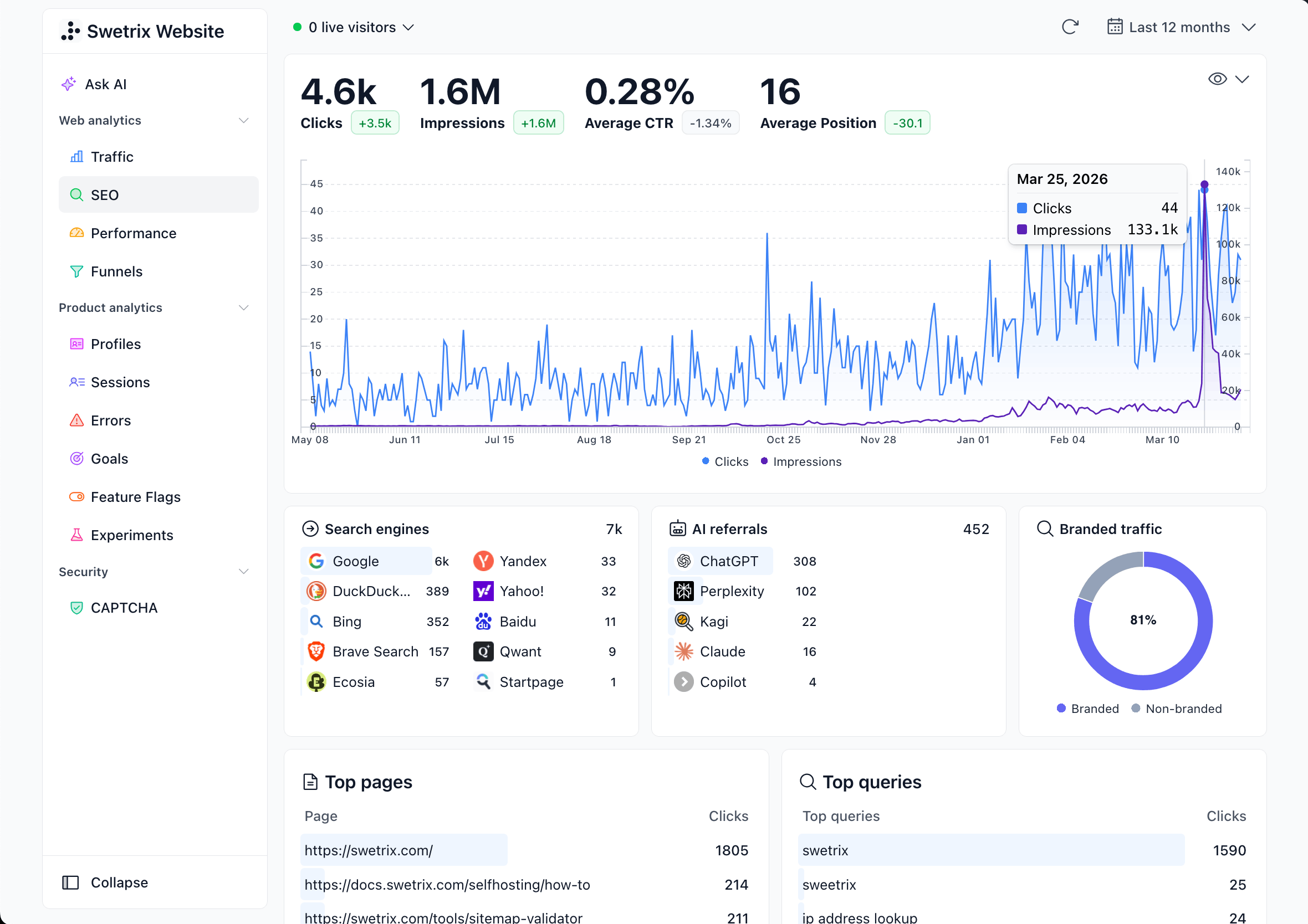
Effectiveness in Data Processing for 2026 Browse Environments
Browse operations in 2026 have moved far beyond the days of easy keyword tracking and manual metadata updates. The present state of search optimization includes a deep connection in between automated software application and high-capacity cloud systems. As online search engine procedure info in near real-time, the demand for immediate data ingestion has actually required services to move far from regional servers towards dispersed cloud designs. These systems permit for the immediate analysis of countless data points, ensuring that search engine result show the most existing information available on the web.High-speed indexing now depends on serverless functions that trigger whenever new material is published. Rather of awaiting a scheduled crawl, the infrastructure presses updates to browse engines through dedicated APIs. This shift has altered the way technical groups handle large-scale sites. By utilizing cloud-native tools, business can deal with enormous traffic spikes without manual intervention. The ability to scale calculate resources up or down based upon present demand ensures that search exposure remains stable even throughout durations of extreme user activity.
Incorporating Automated Logic with High-Capacity Facilities

The integration of logic-driven automation into cloud systems has simplified the management of complex web properties. Success with SEO NEO Specs offers a clear example of how technical groups are adjusting to the 2026 environment. Instead of counting on human oversight for every technical adjustment, automated scripts now keep track of site health and search performance. These scripts can spot crawl mistakes, broken links, or slow-loading pages and initiate repairs instantly using cloud-based recovery protocols.Modern systems frequently integrate technical data optimization to preserve a high level of effectiveness. These workflows manage the heavy lifting of data company, allowing human experts to concentrate on higher-level technique. By offloading repeated tasks to the cloud, services decrease the danger of human mistake while increasing the speed at which they can respond to market changes. The outcome is a more durable digital presence that can hold up against the fast-paced updates of 2026 search algorithms.
The Role of Edge Computing in Global Browse Visibility
Edge computing has actually become a huge part of search operations in 2026. By processing information more detailed to the user, services can considerably lower latency, which stays a main ranking aspect for significant search engines. Cloud service providers have expanded their networks to consist of countless edge locations, allowing material to be served from the nearest possible node. This international circulation ensures that a user in one part of the world experiences the very same high performance as a user in another, regardless of where the primary information center is located.Implementing SEO NEO VPS Price and Specs requires a deep understanding of how edge workers connect with primary database clusters. These edge workers can perform small pieces of code, such as localized schema updates or language-specific material modifications, without requiring to interact back to the central server for every single demand. This decentralized method not only improves user experience but also lightens the load on the main facilities, resulting in lower functional costs and greater total stability.
Technical Requirements for Real-Time Browse Analysis
Examining search data in 2026 involves processing huge amounts of details from numerous sources, including social signals, user habits metrics, and standard search engine logs. Cloud-based data storage facilities have progressed to deal with these multi-modal information streams with ease. By utilizing vector databases and automated labeling, technical groups can recognize patterns in search habits that were formerly invisible. This level of insight permits more exact targeting and much better positioning with user intent.The shift toward specialized search data processing has allowed brands to move from reactive to proactive methods. Rather of looking at what happened last month, they are looking at what is occurring this second. Automated notifies can inform a team when a particular topic starts trending or when a rival picks up speed on an essential term. This real-time awareness is only possible through the high-bandwidth connections and huge storage capabilities used by contemporary cloud facilities.
Financial Management of Cloud-Scale Search Operations
Handling the costs of cloud facilities is a main concern for any massive search operation in 2026. While the cloud offers unlimited scale, that scale features a rate tag that must be managed through cautious resource allocation. Financial groups now work carefully with technical departments to implement cost-optimization techniques, such as using area instances for non-critical crawling jobs or picking lower-cost storage tiers for historic search data.Increased need for Asia Virtual Solutions for Modern SEO has actually led to the advancement of more transparent pricing designs from cloud service providers. Services can now see exactly how much each search-related task costs in real-time. This presence allows for more accurate budgeting and ensures that the return on investment for search activities remains positive. By automating the shutdown of idle resources and optimizing the method information is moved in between different cloud regions, companies can keep a high-performance search presence without spending beyond your means on their cloud costs.
Data Personal Privacy and Security in Automated Search
As search operations end up being more automated, the value of information personal privacy and security has actually grown. In 2026, online search engine and users alike demand that information be handled with the greatest level of care. Cloud facilities provides the security layers necessary to safeguard delicate information while still allowing for the open exchange of information required for search indexing. Encryption at rest and in transit is now the requirement for all search-related information, and automated security audits are a regular part of the advancement cycle.The integration of protected search workflows ensures that automated scripts do not inadvertently expose personal details during the indexing process. Advanced identity management systems control which automated processes have access to specific data sets, reducing the attack surface for potential threats. This focus on security assists build trust with both online search engine and end-users, which is a crucial consider keeping long-lasting search visibility and brand name credibility.
Future Patterns in Cloud-Based Browse Automation
Looking beyond 2026, the merging of search and cloud computing is anticipated to become a lot more noticable. The emergence of self-governing search representatives that can build, enhance, and maintain their own facilities is already on the horizon. These representatives will utilize predictive modeling to expect changes in search engine habits and adjust website architecture appropriately before any unfavorable effect on rankings occurs.The use of cloud-native search tools will likely become the norm for organizations of all sizes. As the technology becomes more available, even smaller sized companies will be able to run top-level search operations that were as soon as the exclusive domain of global corporations. This democratization of technology will result in a more competitive search environment where quality of material and technical excellence are the main drivers of success.
Enhancing Local Search with International Infrastructure
Even localized search efforts in 2026 gain from the reach of global cloud infrastructure. By utilizing geo-sharding and localized information nodes, services can guarantee that their local presence is as fast and reputable as their nationwide one. This is particularly crucial for services that rely on immediate user action, such as reserving systems or regional service directory sites. The cloud enables the synchronization of regional information throughout thousands of places in seconds, making sure that a modification made at the headquarters is instantly reflected in local search results everywhere.Success in regional markets frequently depends upon how well a business can manage its digital footprint across multiple platforms. Cloud-based management tools can automate the synchronization of local listings, evaluations, and localized content, ensuring a consistent brand image across the web. This automatic consistency is a significant factor in how online search engine examine the authority and relevance of a local organization, making cloud facilities an essential part of any modern local search technique.
Sustainability in Cloud-Driven Search
The ecological effect of running massive search operations has become a substantial subject in 2026. Cloud service providers are progressively moving toward carbon-neutral data centers, and search optimization groups are discovering ways to make their code more effective to decrease energy consumption. Sustainable search operations are not simply about corporate duty; they are likewise about performance. Lighter code and more efficient information transfers indicate lower costs and faster page loads, which directly benefit search rankings.Technical teams are now examining their search strategies based upon "energy-per-crawl" metrics, trying to find methods to get the most value from every compute cycle. This focus on effectiveness has actually resulted in a new wave of optimization strategies that prioritize clean, lean code and making use of the most energy-efficient cloud regions. As search engines begin to include sustainability metrics into their ranking algorithms, the green qualifications of a business's cloud infrastructure will end up being much more important for its search success.



&description=SEO%20automation%20only%20pays%20off%20when%20the%20tool%20matches%20the%20task.%20We%20map%20the%2010%20best%20SEO%20automation%20tools%20of%202026%20to%20the%20specific%20jobs%20they%20take%20off%20your%20plate%20%E2%80%94%20content%2C%20crawls%2C%20rank%20tracking%2C%20reporting%2C%20and%20proof%20of%20revenue.)