What Many Regional Brands Get Incorrect About Cloud SEO
Shift Towards Dispersed Processing in 2026
The digital environment of 2026 has moved past the era of central data centers. Modern websites no longer depend on a single origin server to manage demands from an international audience. Instead, the focus has moved toward processing information at the edge, where the physical range between the user and the server is lessened. This modification is driven by the need for near-instant load times and the increasing complexity of automated web systems. When a user in a remote place requests a page, the action is now created or served from a close-by node, reducing the transit time for data packets to a couple of milliseconds.
This decentralized approach has basically changed how speed is measured. Conventional metrics like Time to First Byte (TTFB) have been superseded by more granular information points that track how quickly interactive components become usable. In 2026, the speed of a site is often a direct reflection of its edge facilities. Organizations that fail to disperse their computing jobs across these localized nodes typically see higher bounce rates as users grow accustomed to the instantaneous gratification offered by well-optimized networks.

Integrating Automation with Cloud Facilities
Automation has become a basic part of site management in 2026. Material updates, image compression, and even code minification now occur in real-time at the edge. This suggests that instead of a designer manually optimizing properties, smart scripts deal with these jobs as the content relocations through the network. This level of automation is carefully connected to cloud-based performance tuning, where the system discovers from traffic patterns to predict which properties should be cached or pre-fetched.
Online search engine have actually adjusted their crawling behaviors to match this pattern. In 2026, bots can evaluating how a website performs across several geographic regions all at once. If a site is fast in North America however lags in Southeast Asia, its international search presence may suffer. To fight this, numerous digital supervisors focus on Asia Virtual Solutions Insights to guarantee that their technical foundations stay consistent despite the user's area. This consistency is vital for maintaining high visibility in an age where search algorithms focus on the actual user experience over simple keyword density.
Real-Time Customization and Site Optimization
One of the most substantial developments in 2026 is the ability to customize material at the edge without compromising speed. Formerly, customizing a website implied sending out a request back to a central database, which added significant latency. Now, edge functions-- little pieces of code that run on the network nodes-- can process user data and swap out content blocks in real-time. This enables a customized experience that feels as quick as a static page.
The relationship between customization and performance is a fragile balance. Heavy scripts can decrease a site, however by moving the reasoning to the edge, the heavy lifting is done before the information even reaches the user's browser. Lots of companies are now turning to Michael Swart Digital Content Strategy to manage these complicated logic shifts. By doing so, they can offer special content to different demographics while preserving the strict performance requirements needed by modern-day web standards.
The Development of SEO in an Edge-First World
Seo in 2026 is less about manual tagging and more about facilities health. Automated SEO tools now integrate straight with edge providers to inject structured information and handle canonical tags dynamically. This minimizes the risk of mistakes that typically occur when these components are hardcoded into a CMS. The integration of automated technical SEO ensures that a site is always providing its best variation to browse crawlers.
Due to the fact that the edge can obstruct and customize demands, it can also serve various variations of a page based on the gadget or network conditions of the visitor. For example, a user on a sluggish mobile connection might get a lightweight variation of a website with high-compression images, while a user on a high-speed fiber connection gets the full visual experience. This adaptability is a crucial ranking consider 2026, as online search engine favor sites that provide the best possible experience for every single particular context.
Security Measures at the Network Fringe
Security and efficiency are no longer considered as different entities. In 2026, security protocols are baked into the edge nodes. This enables the mitigation of DDoS attacks and other threats before they ever reach the origin server. By filtering malicious traffic at the edge, the system preserves bandwidth and processing power for legitimate users. This proactive position on security assists maintain website uptime and speed, even during periods of rush hour or attempted breaches.
Using secure edge protocols has actually become a baseline requirement for any major online presence. When security checks happen closer to the user, the "handshake" process is substantially much faster. This contributes to a smoother surfing experience and strengthens the trust that online search engine position in a domain. A site that is both fast and safe and secure is more most likely to maintain its standing in competitive search rankings.
Data Sovereignty and Localized Performance
In 2026, information guidelines have actually become more strict and localized. Edge computing offers an option to these regulative difficulties by permitting information to be processed within the borders of a particular region or country. This localized processing not only makes sure compliance with local laws but also improves performance by keeping the data near home. The need for Michael Swart in the Industry has actually increased as services look for ways to navigate these legal requirements while still providing a premium user experience.
Localized nodes likewise enable better handling of regional material. A website can serve different language variations or local promotions from the nearest node, more minimizing the quantity of information that requires to be transferred over long distances. This geographical specificity is a major advantage for international brand names that need to keep a local feel in every market they serve. The marriage of localized content delivery and edge computing is a main strategy for worldwide development in 2026.
The Financial Impact of Edge Infrastructure
Buying edge technology is typically seen as a cost-saving step in the long run. By minimizing the load on the origin server, organizations can decrease their hosting and bandwidth expenses. The improvements in website speed lead to higher conversion rates, providing a clear return on financial investment. In 2026, the monetary viability of a digital job is typically connected to how effectively it utilizes its cloud resources. Utilizing resource management at the edge enables for a more scalable and cost-efficient operation.
The shift toward the edge has also altered how development spending plans are assigned. Rather of investing heavily on huge main servers, companies are distributing their spend throughout a network of smaller sized, more effective nodes. This flexibility enables them to scale up or down based on real-time need, ensuring they just spend for the resources they actually use. This efficiency is a hallmark of the 2026 digital economy, where waste is lessened and performance is maximized.
Future-Proofing Through Network Intelligence
As we look deeper into 2026, the function of intelligence at the edge continues to broaden. Device learning models are now little adequate to work on edge nodes, permitting a lot more advanced predictions about user habits. These systems can prepare for which pages a user might visit next and begin filling them in the background, making the shift between pages appear rapid. This level of predictive efficiency is the new standard for quality.
The integration of predictive analytics into the web efficiency method is no longer optional for high-traffic sites. As the web ends up being more crowded and competitive, the difference between a one-second load time and a 500-millisecond load time can be the difference between a customer and a bounce. By leaning on the distributed power of edge computing and the precision of automated systems, websites in 2026 are reaching levels of speed and reliability that were formerly believed impossible.

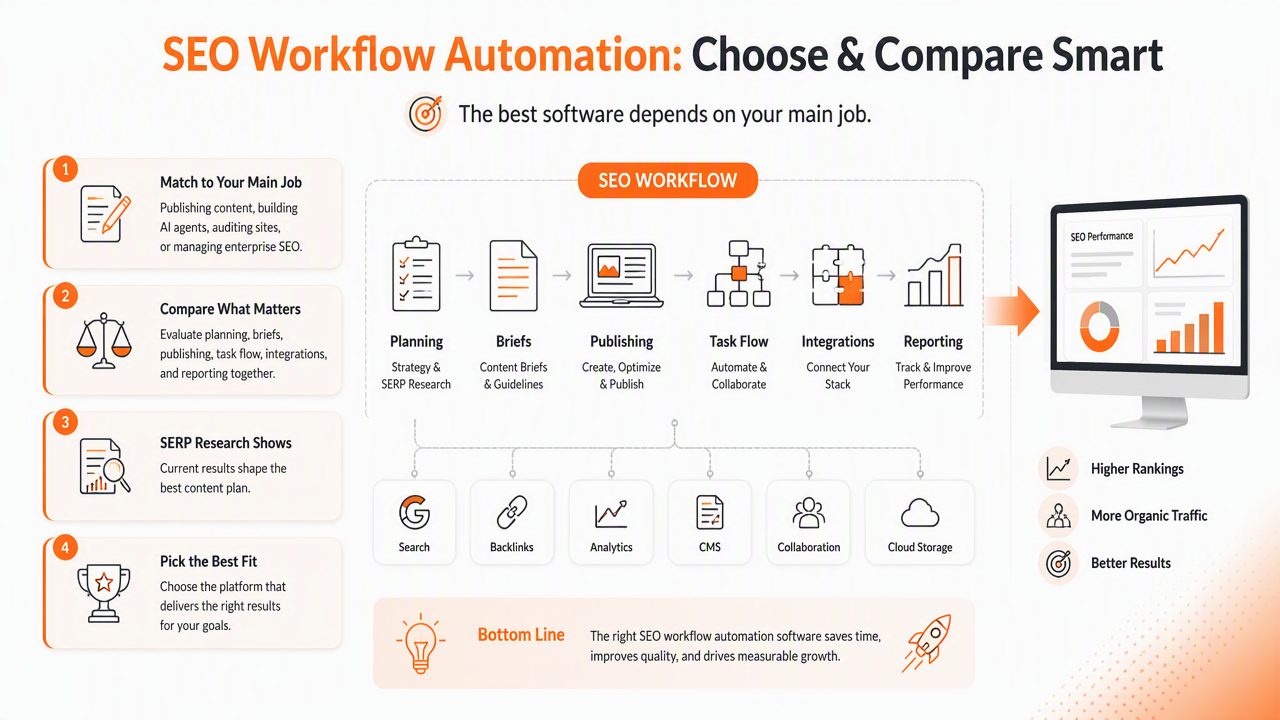


&description=SEO%20automation%20only%20pays%20off%20when%20the%20tool%20matches%20the%20task.%20We%20map%20the%2010%20best%20SEO%20automation%20tools%20of%202026%20to%20the%20specific%20jobs%20they%20take%20off%20your%20plate%20%E2%80%94%20content%2C%20crawls%2C%20rank%20tracking%2C%20reporting%2C%20and%20proof%20of%20revenue.)