Enhancing Crawlability Through Serverless SEO Infrastructure
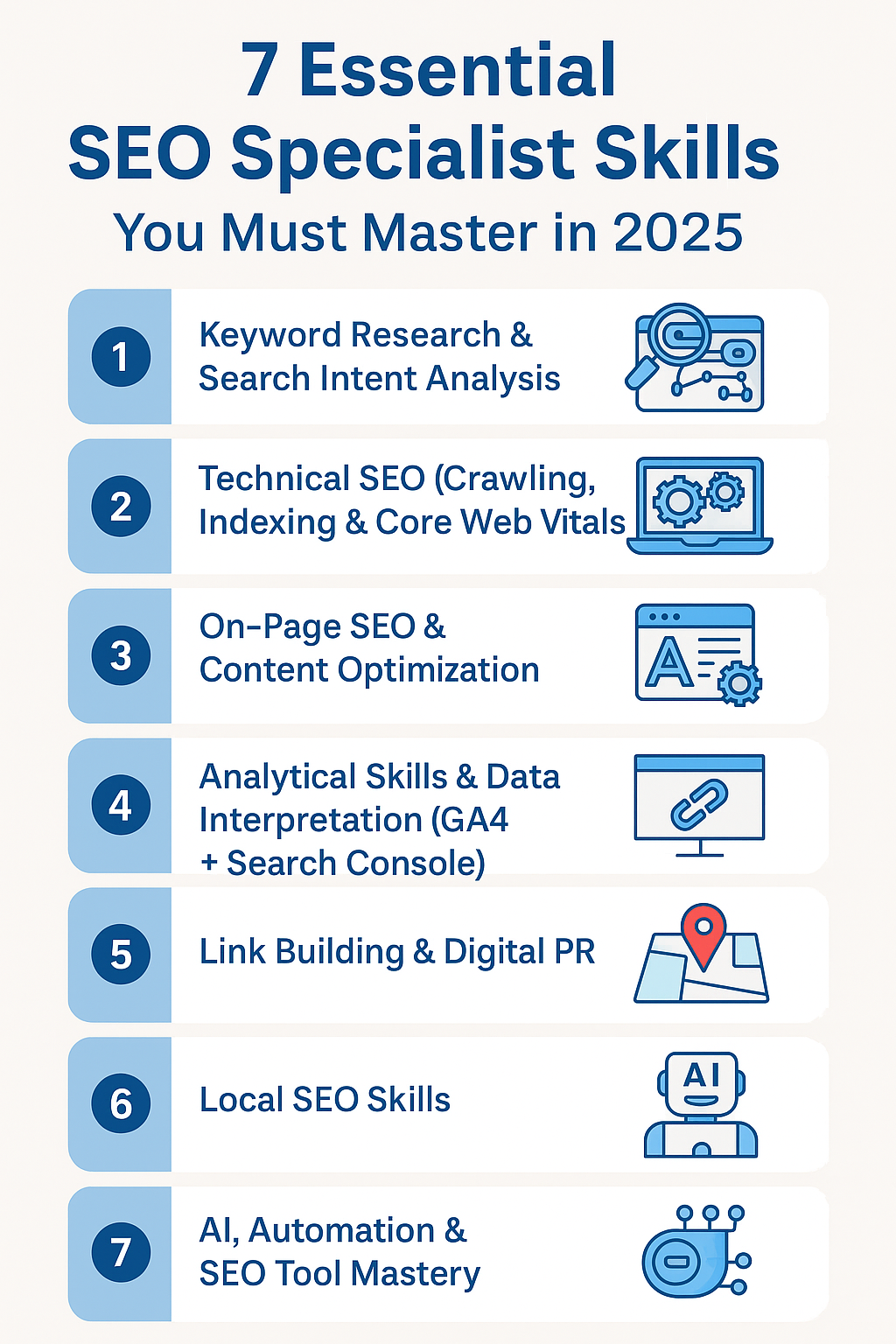
Cloud Strategies for Seo Neo Review: Cloud Link Building For Mac And Pc in 2026
The technical requirements for web presence have actually moved substantially by 2026. Online search engine now process details with far higher speed and accuracy than in previous years. This evolution has actually forced a relocation far from conventional, heavy server environments toward more fluid, event-driven architectures. Serverless computing has actually moved from an experimental option to a basic technique for handling how bots communicate with digital content.Web spiders in 2026 no longer just download HTML and proceed. They replicate intricate user environments, examine execution speed, and determine the cost of rendering a page. Big, monolithic servers often struggle to react to the sudden bursts of traffic these advanced bots generate. When an online search engine decides to crawl countless pages in a single window, a traditional server may decrease or fail, leading to lost indexation. Serverless architecture prevents this by scaling automatically, guaranteeing every request from a spider receives a timely reaction without manual intervention.
The Effect of Serverless Functions on Seo Neo Review: Cloud Link Building For Mac And Pc

Performance in 2026 is measured by the capability of a site to supply information precisely when it is requested. Serverless functions, often referred to as Functions as a Service (FaaS), enable designers to run small pieces of code in action to specific triggers. When a search bot visits a website, a serverless function can instantly determine the finest version of the page to serve. This might suggest offering a pre-rendered HTML picture or a light-weight JSON-LD data packet.Technical groups have discovered that investing in Asia Virtual Solutions Software assists maintain a clean crawl path. Instead of forcing a bot to navigate through complex JavaScript execution, serverless reasoning can intercept the demand at the network edge. This process, frequently called Edge SEO, moves the heavy lifting away from the user's browser and the central server. By dealing with metadata injection, header management, and redirects at the edge, the site stays fast and available for both humans and machines.The 2026 search environment focuses on stability. If a server takes too long to wake up-- a phenomenon called a cold start-- the bot may reduce the website's crawl frequency. Modern cloud companies have mostly mitigated these hold-ups, making the shift to serverless nearly invisible to the end user while offering massive advantages for search engine optimization.
Enhancing Indexation with Seo Neo Review: Cloud Link Building For Mac And Pc
Information from the early part of 2026 suggests that crawl budget management has ended up being a main issue for high-volume websites. Browse engines designate a particular quantity of time and resources to each domain. If a website is slow or returns frequent errors, that budget is squandered. Serverless setups supply a way to keep an eye on and handle this budget in real-time. Asia Virtual Solutions SEO NEO Software has actually ended up being vital for contemporary companies aiming to remain competitive in congested search outcomes. By utilizing serverless workers, a site can find which bot is visiting and adjust its reaction accordingly. For example, if a bot with limited rendering capabilities arrives, the serverless layer can serve a totally rendered variation of the page. If a more sophisticated bot gets here, it can serve a modular version that enables the bot to decide on the data it requires. This adaptability ensures that no matter how the search engine technology modifications, the website stays compatible.The usage of cloud-native reasoning also permits much better handling of localized material. In 2026, search results page are hyper-local. Serverless functions can spot the geographical origin of a crawler and serve material that is specific to that area. This takes place without the need for hundreds of separate physical servers, as the cloud company handles the distribution of the code across its global network.
Real-Time Metadata Management in 2026
Metadata is no longer a fixed element of a websites. In the present 2026 environment, online search engine search for live updates, such as stock levels, pricing, or event schedule, within the search results themselves. Hardcoding this details into every page is no longer possible for massive operations. Serverless functions fix this by pulling live data from a database and injecting it into the page as the spider demands it.This vibrant method ensures that the details a bot sees is constantly accurate. When a rate modifications in a main database, a serverless function can upgrade the schema markup throughout thousands of pages quickly. This avoids search engines from showing out-of-date info, which can cause penalties or a drop in click-through rates. Lots of organizations are concentrating on Asia Virtual Solutions for SEO Automation to ensure their technical facilities supports these rapid updates.Security likewise plays a role in how bots perceive a site. Serverless architectures typically offer a smaller area for possible attacks. Since the code just runs when triggered and does not count on a long-term server with open ports, the danger of common vulnerabilities is minimized. Online search engine in 2026 weigh security greatly in their ranking algorithms, and a website that is naturally more secure frequently finds it simpler to keep high rankings.
Obstacles of Serverless Computing for SEO
While the advantages are considerable, the shift to serverless is not without its troubles. Designers must beware with how they structure their functions to avoid unneeded intricacy. If a lot of functions are chained together, it can develop a "dispersed monolith" that is more difficult to debug and possibly slower than a standard server.Logs and tracking are likewise different in a serverless world. Since there is no single server to examine, designers need to utilize distributed tracing to see how a spider moved through their site. Understanding these logs is vital for identifying where a bot might be getting stuck. By 2026, lots of tracking tools have been built specifically for this purpose, providing clear visualizations of how serverless functions are carrying out throughout crawl events.The cost structure of serverless can also be surprising. While it is frequently more affordable for low to medium traffic, a massive rise in crawler activity can lead to an abrupt increase in function execution expenses. Smart designers use rate restricting and caching at the edge to make sure that they are not spending for the same request multiple times. This balance in between being readily available for crawlers and managing costs is an essential part of technical technique in 2026.
The Future of Online Search Engine Interaction
Looking towards the latter half of 2026, the interaction in between search bots and sites is becoming more like a discussion. Online search engine are starting to utilize APIs to request particular updates rather than crawling entire pages. Serverless architecture is perfectly matched for this API-first method. Rather of a site being a collection of static files, it becomes a series of endpoints that can offer exactly the information the online search engine asks for.The integration of automated reasoning within cloud environments has actually gotten rid of a number of the old barriers to entry for smaller sized sites. Even a site with restricted resources can now have the exact same global reach and speed as a significant corporation by using the exact same serverless infrastructure. This democratization of web efficiency has caused a more varied and competitive search environment.Speed stays the most essential factor for success. As search engines continue to shorten the time in between a page being released and it appearing in outcomes, the ability to serve content instantly is non-negotiable. Serverless architecture supplies the speed, scalability, and versatility required to satisfy these demands. The focus has moved far from managing hardware and towards composing clean, effective code that reacts to the needs of the web in real-time. Organizations that have embraced these cloud-native techniques discover themselves much better gotten ready for the future. They are no longer kept back by the constraints of physical hardware or the slow implementation cycles of the past. Rather, they can repeat rapidly, testing new SEO theories and deploying changes across their whole digital presence in seconds. This agility is the specifying characteristic of the 2026 digital environment.


&description=SEO%20automation%20only%20pays%20off%20when%20the%20tool%20matches%20the%20task.%20We%20map%20the%2010%20best%20SEO%20automation%20tools%20of%202026%20to%20the%20specific%20jobs%20they%20take%20off%20your%20plate%20%E2%80%94%20content%2C%20crawls%2C%20rank%20tracking%2C%20reporting%2C%20and%20proof%20of%20revenue.)